
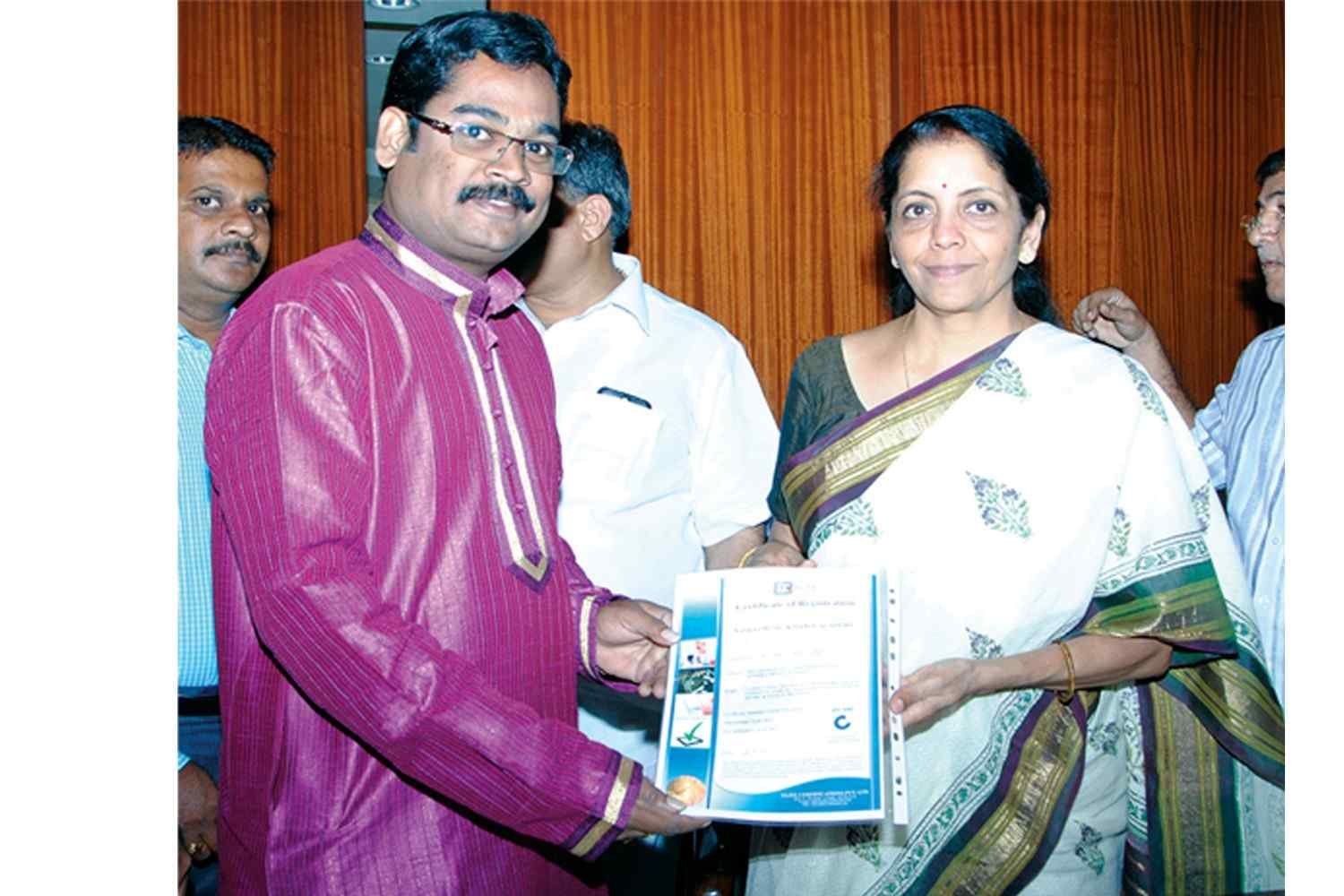

India’s cultural heritage is defined by extraordinary diversity, with classical dance traditions existing alongside tribal and folk forms that have evolved within different communities and regions. Bringing these varied artistic traditions onto a common platform has been an important part of the cultural work associated with Kuchipudi exponent and organiser Vikram Kumar B R, popularly known as Bathina Vikram Goud. Among the initiatives connected with this vision is Amaravathi Nrithyotsav, established in 2015.
The festival was conceived as a platform where classical, tribal and folk traditions could be presented within a shared cultural environment. Its approach reflects a broader understanding of Indian heritage—one that recognises that the country’s artistic identity cannot be represented by a single genre or tradition.
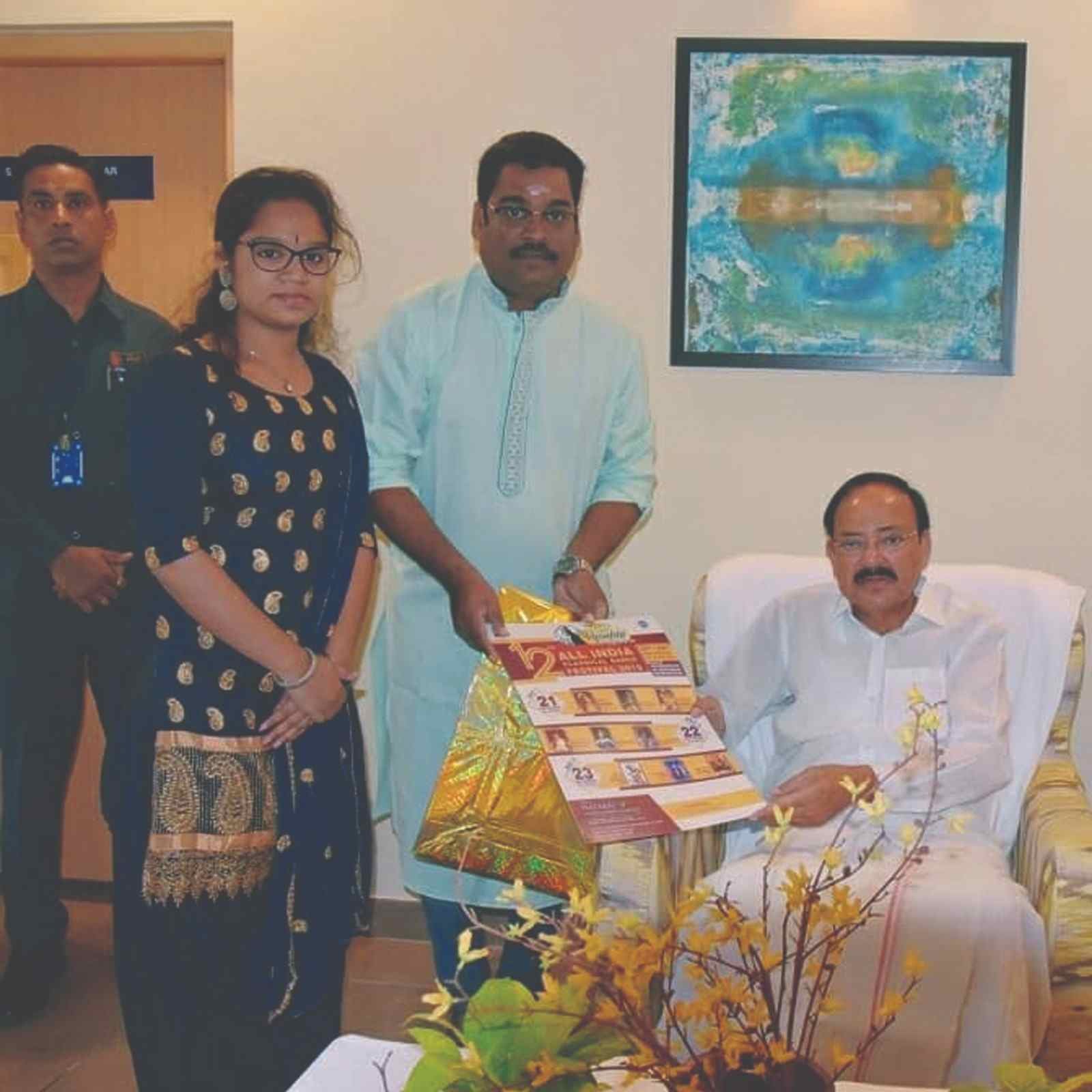
Amaravathi Nrithyotsav has provided an opportunity for audiences to encounter different forms of Indian dance while giving artistes a platform to present their respective traditions. Such interaction is particularly valuable because classical, tribal and folk arts often have different histories, performance structures and cultural contexts.
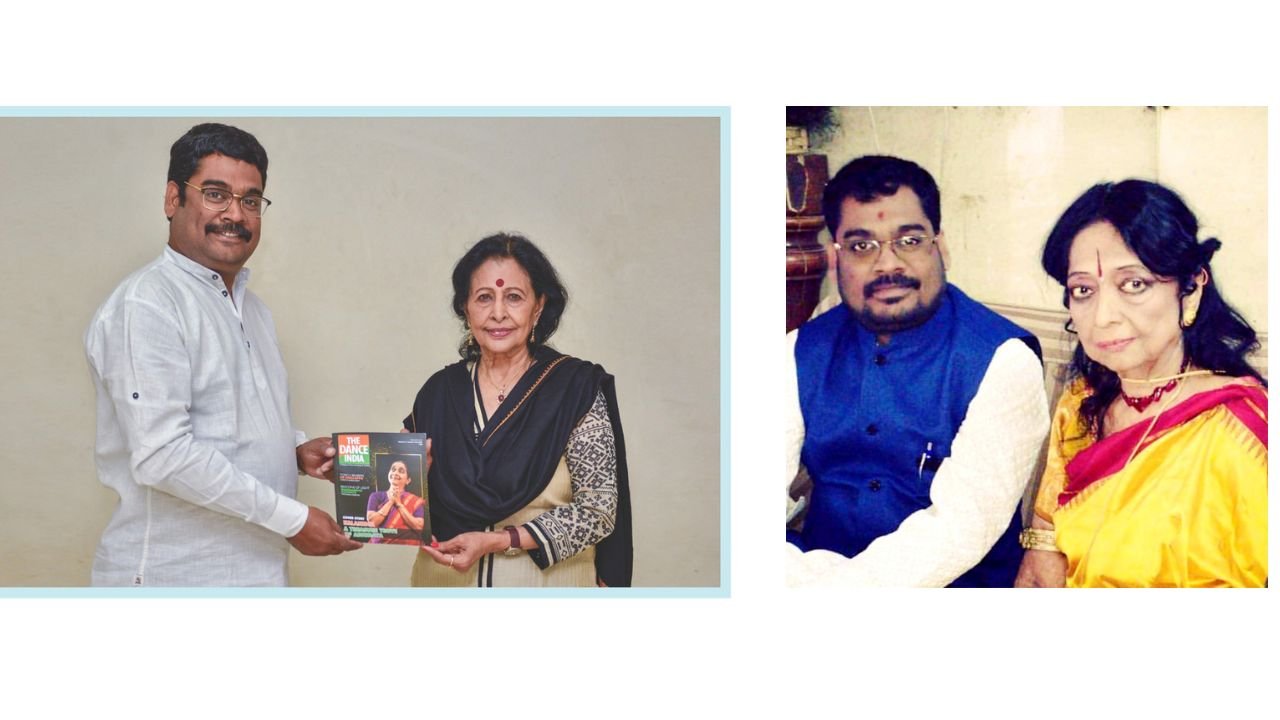
The 2015 edition demonstrated the festival’s ability to bring prominent names from India’s dance community into a common programme. Renowned artistes including Padma Bhushan Saroja Vaidyanathan, along with other established performers, were associated with the festival. The programme also included recognition of senior artistes through lifetime achievement honours, highlighting the importance of acknowledging those who have contributed decades to Indian dance.
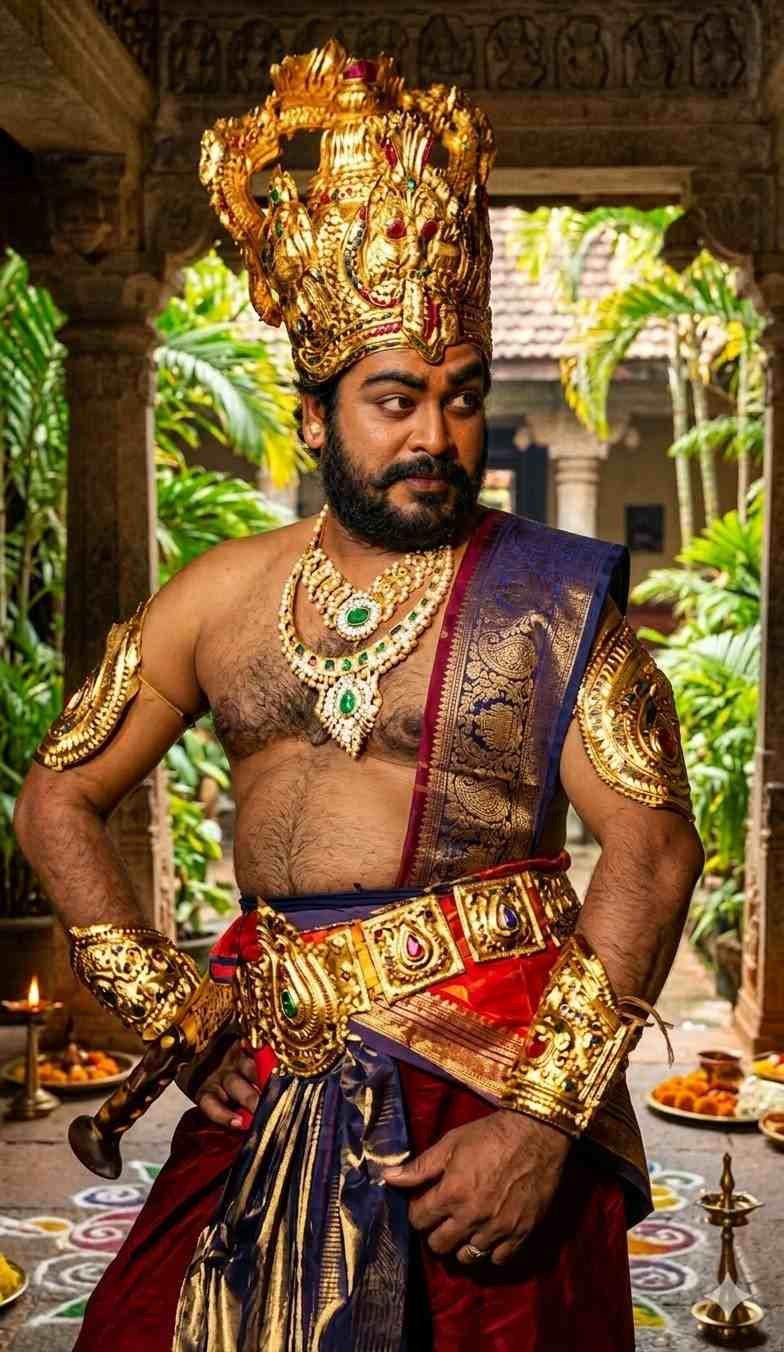
For Vikram Kumar B R, festival organisation has consistently been connected with a larger objective: creating sustainable spaces for artistic activity. His work through the Nataraj Music and Dance Academy (NMDA) has included dance education, workshops, seminars, competitions and performance platforms covering classical dance, folk traditions and music.
The inclusion of tribal and folk traditions in Amaravathi Nrithyotsav is significant because many such traditions are closely connected with community memory and regional identity. Their survival depends not only on performers but also on documentation, audience interest and opportunities to present the art before new generations.
Classical traditions similarly require continuous performance and transmission. By bringing different categories of dance together, the festival creates an environment in which audiences can appreciate the breadth of India’s performing-arts heritage rather than viewing each tradition in isolation.
Such festivals can also encourage dialogue among artistes. A classical dancer, a folk performer and a practitioner of a tribal tradition may approach rhythm, movement, storytelling and community participation differently. Presenting these forms alongside one another can therefore broaden the cultural experience for both artists and audiences.
The festival also fits into Vikram Kumar B R’s wider philosophy of preservation. His cultural initiatives have emphasised that heritage must remain a living system supported by performers, teachers, organisers, researchers, audiences and institutions. Documentation and journalism, along with live performance, form important parts of that ecosystem.
Amaravathi Nrithyotsav therefore represents more than a conventional dance festival. Its significance lies in creating a meeting ground for artistic traditions with different origins and identities. It encourages audiences to view India’s cultural heritage as a diverse and interconnected landscape.
For younger audiences, such exposure can be particularly valuable. Watching multiple traditions on the same platform can inspire curiosity, encourage cultural learning and potentially motivate young people to pursue training in dance or music.
At a time when many traditional art forms face changing audience preferences and limited performance opportunities, festivals that provide visibility to diverse traditions can play an important role in cultural continuity.
Through Amaravathi Nrithyotsav and his wider festival initiatives, Vikram Kumar B R has continued to pursue an approach in which cultural preservation is linked with active performance, public access and intergenerational participation. The festival’s combination of classical, tribal and folk traditions underlines a simple but powerful idea: India’s cultural heritage becomes stronger when its many artistic voices are given the opportunity to share the same stage.